



Key Takeaways
- DIY candle making allows for personalized home fragrances tailored to individual preferences.
- Understanding the basics of candle making enhances the crafting experience.
- Selecting quality materials ensures a cleaner and longer-lasting burn.
- Safety measures are crucial during the candle-making process.
- DIY candles make thoughtful gifts and can be customized for various occasions.
Introduction to DIY Candle Making
The art of candle making has seen a remarkable revival as more people seek ways to personalize their home environment. Handcrafted candles allow you to infuse your favorite rooms with unique fragrances that reflect your style and mood, all while contributing to the relaxing and inviting ambiance of your living space. With resources like the INLURO DIY Candle Making Kit, individuals and families can easily embark on this enjoyable craft right from the comfort of home.
Creating your own candles means you have control over every aspect, from scent and color to vessel choice. Not only is it a therapeutic activity, but it also offers a rewarding way to make décor items and gifts tailored to any occasion. The growing trend of making candles at home highlights the desire for meaningful, personalized products that store-bought options often lack.
Beyond creative expression, making candles yourself lets you ensure the use of high-quality, non-toxic ingredients, ultimately improving air quality and enhancing well-being. As with many crafts, learning the foundational skills will empower you to blend customized scents and invent beautiful home accessories for every season.
Whether you’re seeking a new hobby or hoping to reduce exposure to harsh chemicals often found in commercial candles, this guide will walk you through essential materials, key steps, troubleshooting, and inspiring customization ideas.
Candle making starts with choosing the right base and ingredients. Wax is at the heart of every candle, and the type you select will influence your candle’s burn time, scent throw, and environmental impact. Soy wax remains a favorite for eco-conscious crafters, while beeswax offers natural purification and a honeyed aroma. Paraffin is popular for strong scents, and coconut apricot wax merges creamy texture with a clean burn.
Wicks are available in various types. Cotton or wooden wicks must be properly sized to prevent tunneling or excessive soot. Matching wick size to candle diameter ensures an even, efficient burn.
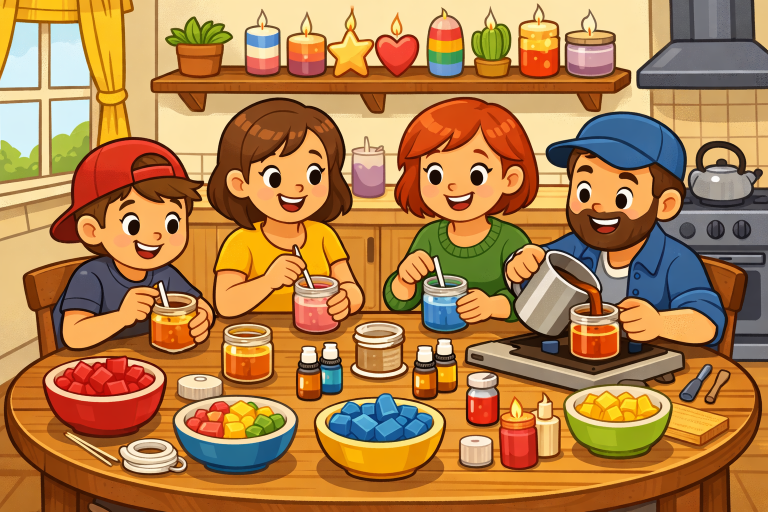
For scent, fragrance oils crafted for candle making are designed for optimal diffusion and minimal smoking. Look for high-quality oils and always check how much oil your wax type can hold for best results.
Basic tools include melting pots for safe wax heating, thermometers for precise temperature control, and molds or jars for shaping your candle. Consider a sturdy stir stick and thermometer a must for consistent results.
Step-by-Step Guide to Making Your Own Candle
1. Preparing Your Workspace
Clear a flat surface and gather all your supplies. Lay down parchment paper or newspaper to catch drips. Prepare your containers and check that your wick is centered and secure.
2. Melting the Wax
Place wax flakes in a double boiler or a dedicated melting pot. Gently heat until your wax reaches about 170°F to 185°F, depending on the manufacturer’s specification. Stir occasionally to melt evenly.
3. Adding Fragrance Oils and Dyes
Remove the melted wax from the heat and let it cool to the recommended fragrance integration temperature (usually around 160°F). Add the measured fragrance oil and any dye, stirring thoroughly so the scent is evenly dispersed.
4. Pouring and Setting
With the wick in place, pour the scented wax slowly into your container, holding the wick steady. Allow the candle to set at room temperature, undisturbed, until fully solidified.
5. Curing
Let your candle cure for at least 24 to 48 hours (or longer for soy wax) to allow the scent to bind and strengthen before burning.
Safety Precautions in Candle Making
Always handle hot wax and melting equipment with care. Never leave melting wax unattended, and use oven mitts when handling hot containers. Ensure your workspace is well ventilated to disperse any fumes.
Store all candle-making materials, especially fragrance oils and dyes, safely out of reach of children and pets. Working near a fire extinguisher is wise in case of spills or accidents. For detailed safety guidelines, visit the National Fire Protection Association’s candle safety page.
Customizing Your Candles
Personalization is the highlight of DIY candle making. Blend several compatible fragrance oils to craft a signature scent or use essential oils for an all-natural aroma. Experiment with colorants and embed dried botanicals or decorative stones in the wax for a unique touch.
You can play with the shape and size of your candles by using molds of different forms, from classic pillars to whimsical figures. The limitations are only set by your imagination and safety boundaries.
Troubleshooting Common Candle Making Issues
Even seasoned crafters encounter imperfections. Sinkholes or uneven surfaces may occur as wax cools and contracts. To fix these, top off candles with a small amount of melted wax. Wick tunneling, where the wick burns straight down, leaving wax on the sides, signals an undersized wick or improper burning. Use a wick suited to your container size and instruct users to burn the candle until the wax melts edge-to-edge.
If your candle smokes or the scent is faint, consider trimming the wick to a quarter of an inch before burning, and check your fragrance load.
The Joy of Gifting Handmade Candles
Homemade candles make meaningful gifts for holidays, birthdays, or as tokens of gratitude. Personalize them with hand-lettered labels, custom scents, or decorative wraps. Simple touches like ribbon or eco-friendly gift boxes give your creation a polished presentation.
Candles are suitable for all sorts of occasions: weddings, housewarmings, and seasonal celebrations. Your thoughtful, handmade touches signify care and creativity that recipients will surely appreciate.
Conclusion
Candle making is a fulfilling craft that enhances your living space and offers a creative outlet. With a few quality supplies and some basic knowledge, you can transform raw ingredients into beautiful, personalized home accessories.
Start exploring this timeless tradition and discover the myriad ways DIY candles can brighten, scent, and personalize your home or someone else’s.