




Snacking has become part of everyday life for most Americans, with 94% of us grabbing at least one snack daily. Nearly half of us now use snacks to replace entire meals, making what’s in those snacks more important than ever.
The shift toward healthier protein snacks is clear, with 33% of people choosing better options compared to past years. Beef jerky shows this trend perfectly – its consumer base jumped from 105 million to 129 million people in less than a decade. The catch? Many popular jerky brands load their products with sugar, preservatives, and way too much sodium.
This list covers seven genuinely healthy snacks that still taste great. From grass-fed jerky packed with protein to creative nutritional alternatives, these options prove healthy snacks don’t have to taste like cardboard.
Grass-Fed Beef Jerky: The Ultimate Healthy Protein Snack
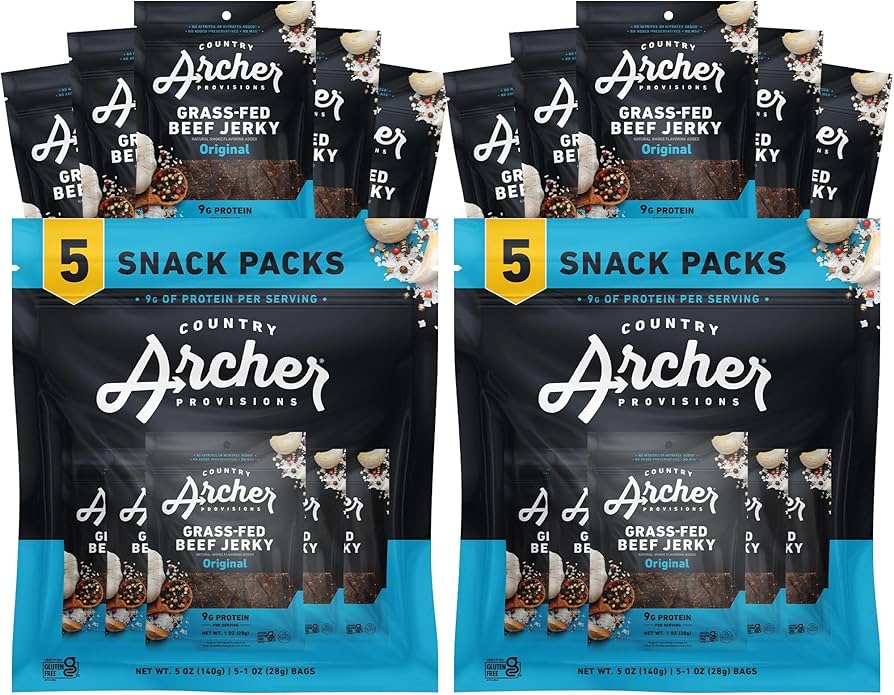
Protein-packed snacks are gaining massive popularity as people realize how important balanced nutrition is throughout the day. Among these options, beef jerky stands out as an impressive choice that’s completely transformed in recent years.
Why Beef Jerky Has Made a Healthy Comeback
Beef jerky’s revival connects directly to the rise of protein-focused diets. With paleo and keto eating plans surging, plus growing interest in protein intake, this old-school snack has found new life. Between 2011 and 2020, Americans consuming beef jerky and meat snacks jumped from 105 million to nearly 129 million.
Today’s beef jerky differs from the past through its focus on quality ingredients. Unlike the heavily processed versions from before, modern jerky brands use clean, minimal ingredients that please both nutrition-focused eaters and flavor lovers.
The portable nature of beef jerky makes it perfect for busy lifestyles. Whether hiking, traveling, or needing quick protein between meetings, beef jerky needs no refrigeration and lasts for months, making it incredibly convenient for anyone on the move.
Nutritional Benefits of Grass-Fed Beef Jerky
Grass-fed beef jerky delivers impressive nutritional advantages over conventional options. A one-ounce (28-gram) serving typically contains:
- Protein: 9-12 grams
- Calories: 70-116
- Fat: 0.5-7.3 grams (significantly less in grass-fed options)
- Carbs: 0-7 grams
- Sodium: 260-505 mg (varies by brand)
Beyond these basics, grass-fed beef jerky packs essential vitamins and minerals. One serving gives about 21% of your daily zinc needs, 12% of vitamin B12, and 8% of your daily iron requirement. These nutrients boost immune function, energy production, and oxygen transport.
Grass-fed beef jerky’s superiority comes from the cattle’s natural diet. Pasture-raised animals produce leaner meat with more beneficial nutrients. Grass-fed beef contains up to five times more omega-3 fatty acids than grain-fed options. These healthy fats reduce inflammation and support brain and heart health.
Grass-fed beef jerky also contains conjugated linoleic acid (CLA), an antioxidant with potential cancer-fighting properties. Studies suggest CLA may help decrease body fat and increase fullness after eating making it valuable for weight management.
What to Look for When Buying Healthy Jerky
When shopping for healthy beef jerky, focus on these key factors to get the most nutritional value:
Sodium content: Choose jerky with less than 400 mg of sodium per serving. Most adults eat too much sodium, leading to water retention, bloating, and higher blood pressure risk.
Sugar levels: The best options contain less than 5 grams of sugar per ounce. Many regular brands include 5-9 grams of sugar per serving, turning a protein snack into a sugar bomb.
Clean ingredients: Skip products with nitrates, MSG, artificial flavors, or synthetic preservatives. These additives link to various health problems, including higher risks of certain cancers and heart issues.
Source verification: Look for jerky made from 100% grass-fed and grass-finished beef. This ensures cattle ate their natural diet throughout their lives, maximizing nutritional benefits.
Certifications: Labels like “Certified Organic,” “Non-GMO Project Verified,” “Certified Paleo,” or “Whole30 Approved” help identify products meeting stricter quality standards.
Top Brands with Clean Ingredients
Several brands lead the healthy jerky market by maintaining high standards for ingredients and production:
Chomps produces grass fed jerky sticks that are 100% grass-fed and grass-finished. Their Original Beef stick delivers 10 grams of protein with zero sugar and carries multiple certifications including Whole30 Approved, Certified Gluten-Free, and Non-GMO Project Verified.
Country Archer makes jerky from 100% grass-fed beef with no preservatives. Their Original Beef Jerky has just 70 calories per serving with 9 grams of protein. Their unique flavors include unexpected ingredients like mushrooms and chickpea miso, setting them apart from typical brands.
People’s Choice Beef Jerky contains no added nitrites, nitrates, or MSG. Their products also skip sugar, gluten, and soy making them work for various dietary needs.
Paleovalley offers beef sticks preserved through natural fermentation, adding gut-healthy probiotic benefits. They use organic spices and 100% grass-fed beef.
Prevail Jerky uses 100% grass-fed beef for spicy and smoky flavor profiles. With only 70 calories per serving, it’s great for those watching their calories.
Despite costing a bit more than regular jerky, these premium options provide nutritional benefits and clean ingredient lists that justify the price. As more people demand these healthier alternatives, prices might drop over time.
Turkey Jerky: A Leaner Alternative
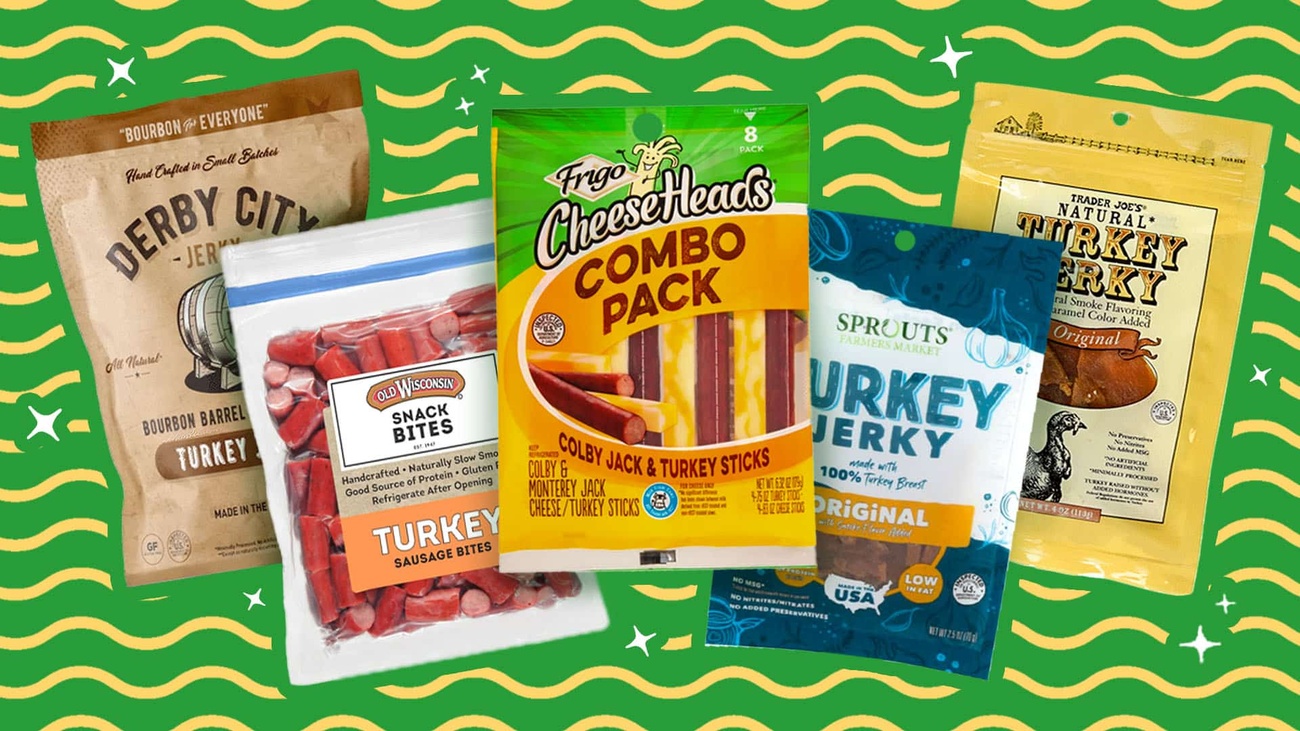
Turkey jerky stands out as a top option for anyone wanting a leaner protein alternative to beef. This poultry-based snack brings its own distinctive flavor and impressive nutritional profile, making it worth adding to your healthy snack lineup.
Turkey Jerky vs. Beef Jerky: Nutritional Comparison
Turkey and beef jerky differ in several key nutritional areas. Turkey jerky typically contains fewer calories, with most brands offering just 70-100 calories per serving. This makes it perfect for anyone tracking their daily calorie intake.
The biggest difference shows up in fat content. Turkey jerky packs less total fat and saturated fat than beef jerky. Many turkey jerky products contain only 0.5 grams of fat per serving, appealing to those keeping an eye on their fat consumption.
Both types deliver serious protein, but with some differences:
- Protein content: Beef jerky usually provides 9-12 grams of protein per serving, while turkey jerky offers a slightly lower but still solid 7-10 grams
- Iron levels: Beef jerky contains about twice as much iron as turkey options
- Carbohydrates: Turkey jerky sometimes contains more carbs than beef versions
The lower fat and fewer calories make turkey jerky great for weight management without sacrificing that protein boost jerky fans love.
Best Turkey Jerky Brands for Health-Conscious Snackers
Several standout brands lead the clean turkey jerky market:
Jack Link’s Original Turkey Jerky delivers 12 grams of protein with just 70 calories per serving. Made from 100% premium white meat turkey breast, it’s marinated with herbs and spices, then slow-cooked over hardwood smoke for authentic flavor. Their products skip added nitrates and nitrites except those naturally found in sea salt and cultured celery extract.
Chomps Turkey Sticks pack 12 grams of protein and zero sugar. These sticks use antibiotic-free turkey with no artificial ingredients or fillers. Their turkey meat sticks offer a nutritious, low-fat, low-calorie option perfect for health-focused snackers.
Country Archer Hickory Smoke Turkey Jerky provides 10 grams of protein at just 70 calories per serving. Their all-natural turkey jerky comes certified gluten-free and paleo-friendly without preservatives. The ingredients include real foods like gluten-free tamari soy sauce, brown sugar, and natural hickory smoke flavor.
Nick’s Traditional Turkey Jerky uses free-range turkeys from Midwest family farms. Each serving delivers 10 grams of protein and only 70 calories, without nitrates, hormones, MSG, antibiotics, or gluten. This makes it ideal for people with dietary restrictions looking for clean protein options.
How Turkey Jerky Supports Muscle Recovery
The quality protein in turkey jerky plays a crucial role in muscle development and recovery. Protein tops the list of important factors for muscle development, making jerky an excellent choice for active people.
After hard workouts, turkey jerky helps recovery by providing essential amino acids needed for muscle repair. While beef jerky typically contains slightly more protein per serving, turkey jerky still delivers enough protein to support muscle maintenance and growth.
Turkey jerky offers additional recovery benefits beyond just protein:
Turkey jerky improves blood circulation, helping flush toxins and waste while delivering healing nutrients to organs and muscles. Its steady protein release supports muscle recovery over longer periods, making it perfect for sustained recovery.
For athletes and active people, turkey jerky offers a convenient, portable protein source requiring no refrigeration. This makes it ideal for post-workout consumption, when protein intake matters most for muscle recovery. The lean protein works especially well for those following lower-fat diets who still need adequate protein for recovery.
Health-conscious athletes increasingly include grass-fed jerky sticks and other clean protein options in their recovery routines. The convenience factor makes these products valuable for busy people who need quality nutrition without spending time on preparation.
Despite their different nutritional profiles, both turkey and beef jerky deliver impressive benefits when made with quality ingredients. Your choice comes down to personal dietary preferences, taste preferences, and specific nutritional goals.
Greek Yogurt with Honey and Nuts

Greek yogurt paired with honey and nuts deserves a spot in your healthy snacking lineup. This combination creates the perfect balance of protein, healthy fats, and natural sweetness that satisfies cravings while delivering serious nutritional benefits.
Protein Power: Why Greek Yogurt Outperforms Regular Yogurt
Greek yogurt beats conventional yogurt mainly because of its production process. The additional straining removes excess liquid and whey, giving Greek yogurt its thick, creamy texture and concentrated nutrients. This process delivers impressive results: a single 7-ounce serving contains about 20 grams of protein, making it a powerful addition to your protein snacks rotation.
The differences between Greek and regular yogurt are clear:
- Greek yogurt contains twice as much protein as regular yogurt
- It has about half the carbohydrates and sugar
- Greek yogurt contains less lactose, better for people with mild sensitivities
Greek yogurt also provides essential nutrients beyond protein. It’s packed with vitamin B12, calcium, selenium, zinc, and phosphorus all vital for bone health and supporting various body functions. Studies show Greek yogurt may help lower blood pressure and reduce type 2 diabetes risk, confirming its status as a nutritional heavyweight.
Creating the Perfect Sweet-Savory Balance
Greek yogurt works brilliantly as a base for both sweet and savory flavors. The classic combination of Greek yogurt with honey and walnuts, called “Yiaourti me meli” in Greece, makes a simple yet satisfying treat that works for breakfast, snacking, or a light dessert.
Making this perfect combination requires just four steps:
- Use high-quality, strained Greek yogurt for maximum creaminess and tang
- Drizzle with organic honey (thyme honey works best) for natural sweetness
- Add fresh walnuts for crunch and nutty flavor
- Sprinkle with cinnamon for warmth and complexity
Adding a touch of vanilla extract takes the flavor even higher. Toasting the walnuts briefly adds another dimension of flavor with enhanced nuttiness.
This combination works because each ingredient serves a specific purpose the creamy yogurt delivers protein and probiotics, honey provides antioxidants and natural sweetness, and nuts add healthy fats and a satisfying texture. Like grass-fed jerky, this snack gives you clean nutrition without processed ingredients.
Portable Options for On-the-Go Snacking
Greek yogurt adapts well to portable formats for busy lifestyles. Prepackaged plain Greek yogurt cups travel easily and can be topped with nuts and honey right before eating. Many brands now offer convenient single-serving containers designed specifically for on-the-go eating.
Several creative approaches make Greek yogurt even more portable:
Try spreading Greek yogurt on whole-grain toast, then topping with honey and nuts for a handheld option. This transforms the classic combination into a convenient, mess-free snack.
Freezing Greek yogurt mixed with honey and nuts in popsicle molds creates a refreshing, protein-packed treat. These frozen yogurt pops satisfy sweet cravings while delivering solid nutritional benefits.
For zero preparation, refrigerated Greek yogurt bars offer the nutritional benefits of Greek yogurt in grab-and-go form. These products need no spoon and can be eaten straight from the package.
Between meals, this combination provides steady energy thanks to its balanced nutrition protein from yogurt maintains fullness, carbohydrates from honey deliver quick energy, and healthy fats from nuts provide sustained fuel. Greek yogurt with honey and nuts works perfectly for bridging the gap between meals or recovering after workouts.
Dark Chocolate-Covered Nuts
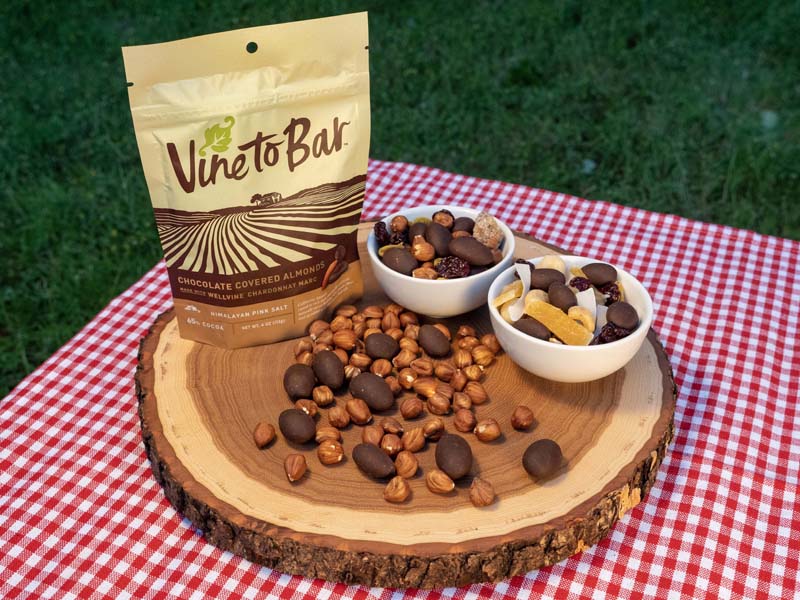
Dark chocolate-covered nuts give you the perfect answer when chocolate cravings hit. This combo satisfies your taste buds while packing serious nutritional benefits. Health fans love this snack for good reason – it mixes indulgence with actual nutritional value.
The Science Behind Why This Combination Works
Dark chocolate and nuts together create nutritional benefits greater than either food alone. Dark chocolate contains flavanols and polyphenols that work as antioxidants, reducing inflammation and supporting heart health. Nuts deliver essential fatty acids, protein, fiber, and key nutrients like vitamin E.
This pairing works in several ways:
- Complementary macronutrients: Nuts add protein and healthy fats that slow digestion, while dark chocolate provides antioxidants and natural sugar for quick satisfaction.
- Balanced blood sugar response: The healthy fats and protein in nuts help manage the impact of chocolate’s carbs on blood sugar.
- Enhanced satiety: Studies show dark chocolate helps reduce cravings, while nuts make you feel fuller making this mix especially good at fighting hunger.
- Mood elevation: Dark chocolate’s flavanols trigger endorphin release, boosting your mental state.
Nutritionally, dark chocolate delivers impressive minerals; a 100-gram bar of 70-85% dark chocolate provides 66% of daily iron needs, 57% of magnesium, and 196% of copper. At the same time, almonds offer “good” unsaturated fats, plant protein, fiber, and magnesium.
Healthiest Dark Chocolate Percentage to Look For
The cocoa percentage in your dark chocolate matters a lot for health benefits. Experts suggest picking dark chocolate with at least 70% cocoa content. This higher percentage means less sugar while keeping more beneficial compounds.
When choosing quality dark chocolate, check for these features:
- Cocoa listed first: The first ingredient should be cocoa, chocolate liquor, or another cocoa form not sugar.
- Minimal ingredients: Fewer ingredients means better quality. Skip products with trans fats, milk, artificial flavors, or unnecessary additives.
- Processing methods: Pick chocolate not processed with alkali (called “Dutching”), since this method greatly reduces flavanol content.
- Certification labels: Terms like “Fair-Trade,” “Organic,” and “Non-GMO Project Verified” usually mean higher quality standards.
While some chocolate experts push for super-dark options (85%+), research shows that even 70% cocoa chocolate gives substantial health benefits. This moderate percentage usually offers a better flavor balance that most people enjoy.
Portion Control Tips for Maximum Benefits
Despite their nutritional perks, dark chocolate-covered nuts pack a lot of calories. Portion control matters when adding them to a healthy diet.
Most studies on dark chocolate’s health benefits used small portions typically 20 grams (about 0.7 ounces) daily. This equals roughly:
- 2-3 squares of dark chocolate with a small handful of nuts
- 1 ounce (about 28 grams) of packaged dark chocolate-covered nuts
Try these portion control strategies:
- Pre-portioned options: Products like KIND Minis Dark Chocolate Nuts & Sea Salt come in perfect 90-calorie portions with just 3 grams of sugar.
- DIY portioning: Measure weekly portions into small containers or reusable bags.
- Visual cues: A single serving equals about the size of your thumb from the knuckle up.
- Mindful enjoyment: Eat slowly and savor each bite instead of mindless snacking.
Brands like SkinnyDipped make dark chocolate-covered almonds with only 4 grams of sugar per serving, while others offer mini bags with just 60 calories – perfect for satisfying cravings without overdoing it.
If you prefer homemade options, you get complete control over ingredients. Just melt high-quality dark chocolate over a double boiler, dip your favorite nuts, and cool them on parchment paper.
Like other protein-rich options such as grass-fed jerky sticks, the secret to including dark chocolate-covered nuts in your diet is moderation and quality. Chosen wisely, this satisfying combo shows that healthy snacking doesn’t mean giving up flavor.
Roasted Chickpeas: The Crunchy Protein Alternative
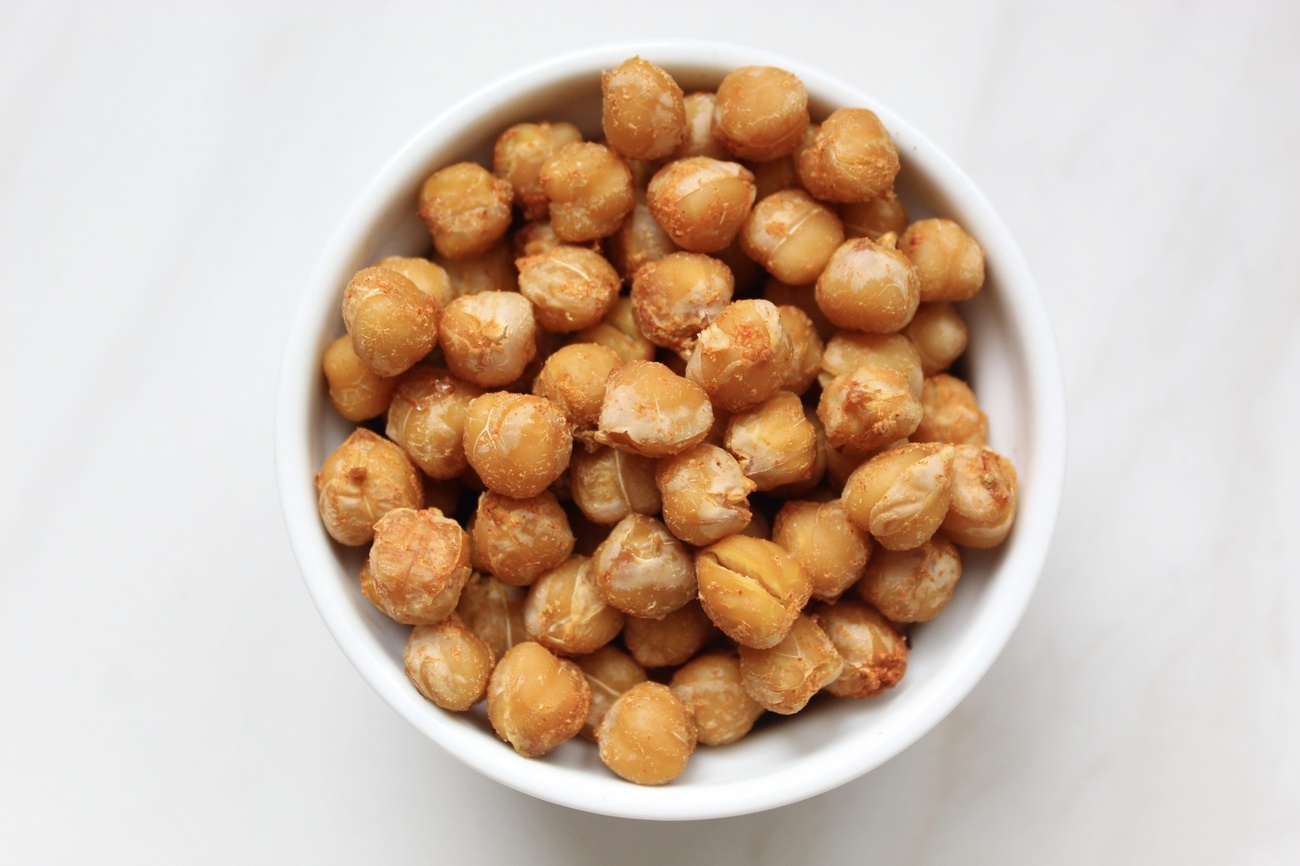
Roasted chickpeas stand out as an exceptional plant-based protein powerhouse that satisfies your crunch cravings. These versatile legumes pack impressive nutritional benefits while delivering that satisfying crispiness we often look for in less healthy options.
How Chickpeas Compare to Other Protein Snacks
Chickpeas, also called garbanzo beans, offer a well-rounded nutritional profile that sets them apart from other protein snacks. A half-cup serving contains about 7 grams of protein, making them comparable to many animal-based options. Their fiber content truly makes chickpeas special. A single cup provides an impressive 35 grams of fiber, helping control blood sugar and reduce food cravings.
Comparing chickpeas to other protein sources shows clear differences:
- Protein density: While they contain less protein than beef jerky, chickpeas provide a complete plant-based protein source
- Fiber content: Chickpeas pack 6 grams of fiber per half-cup, far more than any animal protein source
- Fat profile: They contain only 1 gram of saturated fat per cup, lower than most nut-based snacks
- Micronutrients: Chickpeas are rich in folate, iron, magnesium, phosphorus, copper, and manganese
This nutrient combination helps reduce risk of several health conditions, including heart disease, type 2 diabetes, and certain cancers. No wonder chickpeas have been cultivated for over 7,000 years.
Easy Seasoning Variations to Keep Things Interesting
Roasted chickpeas excel at taking on almost any flavor profile. The basic recipe needs just three ingredients: chickpeas, extra-virgin olive oil, and salt. From this simple base, flavor possibilities become endless.
Try these standout flavor combinations:
- Smoky: Mix smoked paprika and cumin for subtle heat with earthy undertones
- Sweet: Use cinnamon and sugar for a dessert-like treat with warming spices
- Savory: Combine ranch seasoning with nutritional yeast for a cheesy flavor profile
- Zesty: Add lime juice, zest, and black pepper for bright, citrusy notes
- Spicy: Use curry powder, turmeric, and ginger for warm, aromatic heat
The preparation stays simple. Rinse and thoroughly dry canned chickpeas (drier chickpeas get crispier), toss with olive oil and salt, then roast at 400°F for about 30 minutes. Add your seasonings while the chickpeas are still hot to maximize flavor absorption.
Store-Bought vs. Homemade: Which is Better?
Store-bought and homemade roasted chickpeas each offer distinct advantages depending on what matters most to you.
Store-bought options like Biena Chickpea Snacks deliver 6 grams of protein per 1-ounce serving with unbeatable convenience. These premade versions come in various flavors and need zero preparation, perfect for busy people wanting quick protein options.
Homemade roasted chickpeas offer several big benefits:
- Cost savings: Homemade versions cost about 80 cents CAD versus over USD 3.00 for store-bought options
- Size advantage: Chickpeas cooked from scratch stay larger and crispier than canned versions
- Freshness control: Maximum crispiness happens right out of the oven
- Ingredient oversight: Total control over oil amounts and seasoning quantities
For storage, avoid sealed plastic bags since they make chickpeas lose crispness within an hour. Instead, store them at room temperature in an open container covered with a paper towel to keep maximum crunch.
Just like with other healthy options like grass-fed jerky sticks, ingredient quality makes all the difference in creating truly nutritious snacks. Whether you choose store-bought or homemade, roasted chickpeas give you a satisfying crunch packed with nutrition without sacrificing flavor.
Protein Energy Bites

Protein energy bites give you a nutrient-dense option that fits perfectly into healthy lifestyles when busy schedules tempt you toward pre-packaged snacks. These small powerhouses mix wholesome ingredients to deliver great flavor alongside real nutritional benefits.
No-Bake Recipe That Takes Just 10 Minutes
Making your own protein energy bites takes almost no time. With just 5-10 minutes of prep, you can create a batch that lasts all week. The basic recipe needs only a few pantry basics: oats, nut butter, honey or maple syrup, and your choice of mix-ins. Just stir everything together, roll into balls, and chill until firm.
The best part? You never turn on your oven. These snacks need zero baking. Your dough typically needs about 30 minutes in the freezer or refrigerator to set properly. After that, you have ready-to-grab snacks whenever hunger hits.
Customization Options for Different Dietary Needs
Protein energy bites work perfectly for different dietary needs. The base recipe accepts endless modifications:
- Protein boosters: Add 1/4 to 1/2 cup protein powder to increase the protein content
- Sweetener options: Use honey for traditional sweetness or maple syrup for vegan versions
- Texture additions: Mix in chocolate chips, dried fruit, coconut flakes, or chopped nuts
- Dietary restrictions: Use sunflower seed butter for nut allergies or gluten-free oats for celiac needs
Like grass-fed jerky sticks, these bites offer portable protein with clean ingredients. For macro counters, each bite typically contains a good balance of carbs, proteins, and healthy fats.
How to Store for Maximum Freshness
Good storage keeps your energy bites fresh and tasty. In the refrigerator, they stay fresh for up to two weeks in an airtight container. Need longer storage? Freeze them for up to three months.
The freezer works especially well for making big batches. First, flash freeze the bites for a few hours on a parchment-lined baking sheet before putting them in freezer bags. This stops them from sticking together, so you can grab single bites whenever needed.
After freezing, thaw for 5-10 minutes at room temperature before eating. Some varieties even taste great straight from the freezer.
Salmon Jerky: The Omega-3 Powerhouse

Salmon jerky stands out as a nutritional heavyweight among healthy snack options, packed with omega-3 fatty acids. This seafood protein choice brings unique benefits beyond what regular jerky varieties offer.
Why Salmon Jerky Deserves a Spot in Your Snack Rotation
Salmon jerky delivers great portability without cutting nutritional corners. Unlike snacks that need refrigeration, salmon jerky stays fresh at room temperature, making it ideal for hiking, traveling, or office snacking. Its long shelf life means you always have quality nutrition available, even on your busiest days.
Salmon jerky works perfectly for anyone wanting to mix up their protein sources. Just like grass-fed jerky sticks, salmon jerky contains clean ingredients without artificial preservatives, perfect for health-conscious people looking for quality protein options.
Nutritional Benefits Beyond Just Protein
The standout feature of salmon jerky is its omega-3 fatty acid content. These essential fats boost heart health by lowering triglycerides and blood pressure, while protecting brain function and reducing cognitive decline risk.
Salmon jerky provides more than just omega-3s:
- High-quality protein (typically 9-12 grams per serving)
- Vitamin D (up to 66% of daily requirements)
- Selenium (75-85% of daily value)
- Astaxanthin, a powerful antioxidant that teams up with omega-3s to fight inflammation
Eating salmon regularly, including jerky forms, helps reduce inflammation markers and supports bone health through its vitamin D and phosphorus.
Best Brands That Minimize the Fishy Taste
For those worried about strong fish flavors, several brands have mastered making delicious salmon jerky:
Ocean Beauty Seafoods offers superior packaging and flavor profiles. They brine salmon overnight, then use a cold smoke process (under 100 degrees) to lock in flavor and keep moisture.
EPIC Jerky Bites makes Wild Caught Alaskan Salmon with maple and coconut oil, while Patagonia Provisions produces a popular lemon pepper wild sockeye salmon option.
For maximum health benefits, choose salmon jerky made from wild-caught fish without MSG, nitrites, or artificial preservatives.
Conclusion
Healthy snacking goes far beyond just satisfying hunger. Testing these seven protein-rich options shows that nutritious snacks deliver great taste alongside real health benefits.
These clean-ingredient options give you sustained energy throughout busy days, unlike their processed counterparts. Beef, turkey, and salmon jerky offer portable protein with minimal additives. Greek yogurt combinations and roasted chickpeas work as versatile alternatives for different dietary needs.
Dark chocolate-covered nuts and protein energy bites prove healthy snacking doesn’t mean sacrificing taste. These options show how carefully selected ingredients create satisfying treats while supporting your nutritional goals.
The secret lies in choosing high-quality products and watching your portions. Premium options might cost more upfront, but their concentrated nutrition and clean ingredients make them worth it. Smart snacking supports your overall health while keeping energy levels steady between meals.
Variety matters too. Rotating between different protein sources – from animal-based to plant-powered options – gives you a wider range of nutrients and prevents snack boredom. These seven options serve as building blocks for your own healthy snacking plan, showing that nutritious choices can be both convenient and delicious.