


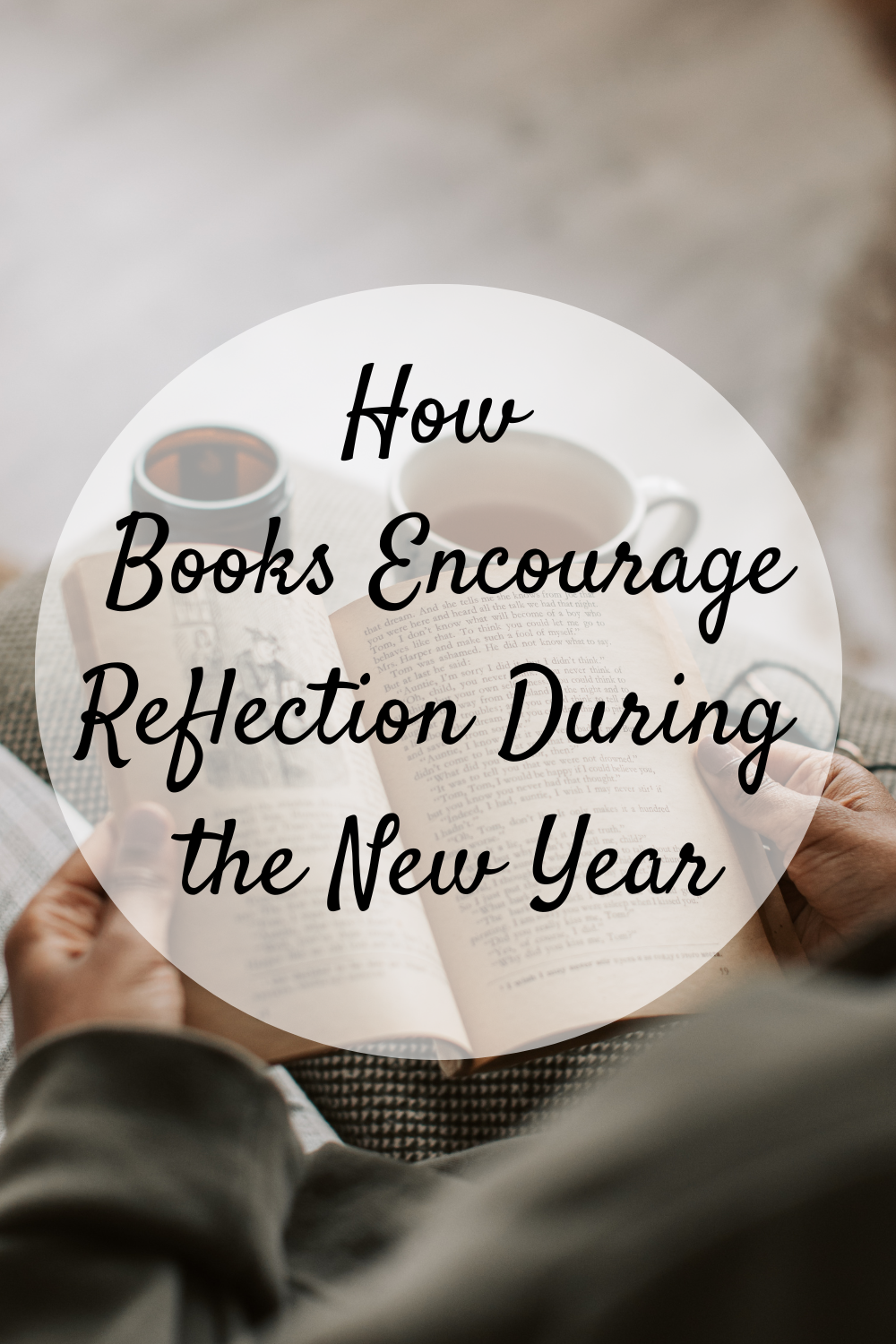
The New Year arrives with a quiet invitation to pause, look inward, and reset. While resolutions often focus on doing more, reflection asks us to understand more—our choices, growth, faith, and direction. Books play a powerful role in this process. They slow us down, give shape to our thoughts, and create space for intentional reflection amid busy lives. Whether faith-based or personal growth–focused, reading during the New Year helps readers process the past and approach the future with clarity. Below are seven meaningful ways books encourage reflection as one year closes and another begins.
Books Create Daily Moments of Intentional Pause
Devotional books are especially impactful during the New Year because they encourage consistent, focused reflection rather than rushed goal-setting. These books are designed to be read slowly—often daily—creating a rhythm of thought, prayer, and self-examination. Instead of overwhelming readers with big ideas all at once, devotionals offer small, digestible insights that prompt meaningful reflection. Each reading invites readers to ask simple but powerful questions: What am I carrying forward? What needs to change? This structure makes reflection feel approachable, even for those who struggle with journaling or meditation. As the New Year begins, devotional reading helps shift focus from external pressure to internal alignment. Over time, these quiet pauses accumulate, shaping mindset, priorities, and spiritual awareness in a gentle yet lasting way.
Books Help Process the Past Year With Perspective
Reflection often begins by looking back, and books help readers do this with clarity rather than regret. Through storytelling, wisdom, and guided prompts, books encourage readers to evaluate the past year thoughtfully—acknowledging both growth and struggle. Instead of dwelling on mistakes, reflective reading reframes experiences as lessons. Many books highlight themes of grace, resilience, and renewal, reminding readers that progress is rarely linear. This perspective is especially valuable at the New Year, when people feel pressure to “fix” themselves. Books slow that impulse, allowing readers to recognize how far they’ve come. By processing the past with intention, readers enter the New Year with understanding instead of unresolved weight.
Encouraging Deeper Self-Awareness
Books invite readers into conversations with themselves. Through reflective questions, relatable characters, or thoughtful commentary, they prompt introspection in ways that daily routines often don’t allow. During the New Year, this self-awareness becomes essential. Readers begin to notice patterns—habits that helped, behaviors that hindered, beliefs that shaped decisions. This awareness is not about self-criticism but self-understanding. Books create a safe, judgment-free space to explore identity, purpose, and values. When readers better understand why they act the way they do, they’re more equipped to make intentional changes. Reflection rooted in awareness leads to meaningful growth rather than short-lived resolutions.
Offering Quiet Guidance Without Pressure
Unlike motivational content that pushes urgency, books guide reflection gently. They don’t demand immediate change; they invite consideration. This calm approach is especially refreshing during the New Year, when pressure to improve can feel overwhelming. Reflective books allow readers to sit with ideas, revisit passages, and move at their own pace. There’s no deadline, no checklist—just thoughtful engagement. This reduces anxiety and creates a more honest reflective process. Readers feel encouraged rather than judged, making them more open to growth. Books remind us that transformation begins with understanding, not force.
Helping Set Intentions Instead of Resolutions
Books shift the New Year mindset from rigid resolutions to meaningful intentions. Instead of focusing solely on outcomes, reflective reading encourages readers to consider how they want to live, grow, and believe. Intentions rooted in values tend to last longer than goals driven by pressure. Many books emphasize themes like consistency, purpose, patience, and faith—qualities that shape behavior naturally over time. By engaging with these ideas, readers set directions rather than demands. This approach fosters sustainable growth and reduces the guilt often associated with broken resolutions. Reflection becomes a compass, not a countdown.
Strengthening Emotional and Spiritual Clarity
The New Year often brings emotional carryover from the previous year—stress, disappointment, gratitude, or hope. Books help untangle these emotions by giving language to feelings readers may struggle to articulate. Through reflection, readers gain clarity about what they’re feeling and why. Faith-based and reflective books also provide spiritual grounding, helping readers reconnect with purpose and belief. This clarity creates emotional balance, making the New Year feel less chaotic and more centered. When thoughts are organized and emotions acknowledged, readers approach the year ahead with calm confidence rather than uncertainty.
Turning Reflection Into a Lasting Habit
Perhaps the greatest impact of reading during the New Year is habit formation. When reflection begins with books, it often continues throughout the year. Readers who start January with intentional reading are more likely to maintain moments of pause, evaluation, and growth long after the season passes. Books normalize reflection as part of life, not just a once-a-year activity. Over time, this habit leads to deeper self-understanding, stronger faith, and more thoughtful decision-making. Reflection stops being seasonal and becomes a steady, life-enriching practice—one page at a time.