



Key Takeaways
- Start planning early to avoid last-minute stress.
- Declutter your belongings to lighten your load.
- Use quality packing materials to protect your items.
- Label boxes clearly for efficient unpacking.
- Prepare an essentials box for immediate needs.
Moving to a new home can be both exciting and overwhelming. With careful planning and organization, you can turn this potentially stressful process into a smooth, enjoyable experience. For residents in the Springfield, IL area, working with experienced professionals like Springfield, IL real estate agents Melissa Dowson Vorreyer Team offers invaluable guidance. Affiliated with RE/MAX Professionals, this team brings over 130 years of combined real estate experience and serves Springfield and the surrounding communities. Their expertise ensures clients receive tailored advice, practical solutions, and support throughout every stage of the moving process.
Create a Moving Checklist
Begin by drafting a comprehensive moving checklist. This will serve as your roadmap, ensuring you don’t overlook any crucial tasks. Include deadlines for each item to keep yourself on track. A well-structured checklist can significantly reduce the chaos associated with moving.
Declutter Before You Pack
Moving presents an excellent opportunity to declutter your home. Go through each room and decide what to keep, donate, or discard. Reducing the number of items you need to move not only saves time but also reduces moving costs. As Forbes Home notes, decluttering can make your move more efficient and less stressful.
Gather Quality Packing Supplies
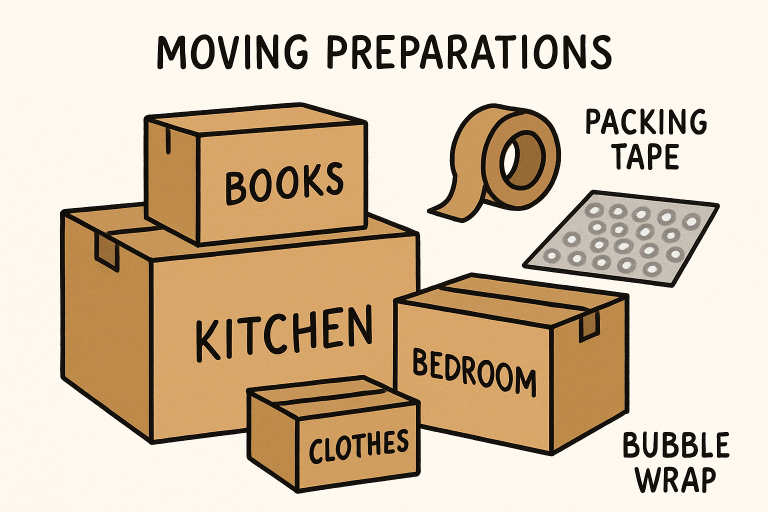
Invest in sturdy boxes, packing tape, and cushioning materials like bubble wrap or packing paper. Quality packaging protects your belongings during transit and prevents last-minute emergencies caused by broken boxes. As Housely highlights, using high-quality packing materials is essential for a successful move.
Label Boxes Clearly
Clearly label each box with its contents and the room it belongs to. This practice simplifies the unpacking process and helps movers know where to place each box in your new home. Consider using color-coded labels for even more efficiency.
Pack an Essentials Box
Prepare a box with items you’ll need immediately upon arrival at your new home. This might include toiletries, a change of clothes, important documents, basic kitchen supplies, and chargers. Having these essentials readily available can make your first night in your new home more comfortable.
Hire Professional Movers
If your budget allows, consider hiring professional movers. They have the experience and equipment to handle your belongings safely and efficiently. Be sure to book their services well in advance, especially during peak moving seasons.
Notify Utilities and Change Address
Contact your utility providers to schedule the disconnection at your current home and the connection at your new residence. Additionally, update your address with the postal service, banks, and other important institutions to ensure you receive all correspondence without interruption.
Take Care of Yourself
Amidst the hustle of moving, don’t forget to look after your well-being. Stay hydrated, eat balanced meals, and get adequate rest. Taking short breaks during the moving process can help maintain your energy levels and reduce stress.
Organize and Inventory Your Belongings
Before you even start packing, it helps to create an inventory of your belongings. List out valuable items, delicate keepsakes, electronics, and furniture so you know exactly what you own. Taking photos of particularly fragile or expensive items provides not only peace of mind but also helps you if you need to file an insurance claim. Knowing what you own can help you avoid misplacing or forgetting anything important during the chaos of moving day.
Strategic Packing Tips
Packing isn’t just about putting things in boxes; how you pack matters. Start with non-essential items you rarely use and pack these well ahead of your move. For large or oddly shaped items, disassemble furniture if possible and keep all screws and parts in labeled bags. When it comes to clothing, consider leaving items on hangers and simply covering them with large garbage bags or wardrobe boxes to minimize wrinkles and make them easy to move and rehang. Stack heavy items at the bottom of boxes and lighter, more fragile items on top. Don’t forget to fill empty spaces with towels, socks, or packing peanuts to prevent movement and breakage.
Prepare Important Documents and Digital Files
Gather all important documents, such as birth certificates, car titles, insurance paperwork, and school or medical records, and place them in a dedicated folder or fireproof safe that you will personally travel with. In today’s digital world, don’t forget to back up vital electronic files and photographs to the cloud or an external hard drive. Keeping both paper and digital files organized ensures nothing gets left behind or lost in the transition.
Plan Your Moving Day Logistics
Make moving day less stressful by planning for logistics in advance. Reserve parking for moving trucks close to your homes at both your old and new addresses, and check with neighbors or local authorities if necessary. If you live in an apartment, coordinate elevator use or reserve service elevators for the move. Additionally, make arrangements for childcare or pet care so you can focus on the transition without unnecessary distractions. Setting aside bottled water, snacks, and a first-aid kit can help you and any helpers stay comfortable and safe throughout the day.
Tips for Settling in Quickly
After you arrive at your new home, resist the urge to start unpacking everything at once. Instead, tackle one room at a time, starting with essential spaces like bedrooms and kitchens. Setting up beds and making a place to sleep is a top priority, followed by assembling daily-use kitchenware so you can eat comfortably. As you settle in, introduce yourself to neighbors and explore the local area—you’ll start making your new place feel like home that much sooner.
Finally, don’t be afraid to ask for help. Whether it’s from professional movers, trusted real estate agents, or friends and family, a little extra support can go a long way in making your move efficient and enjoyable. With careful planning, organization, and self-care, you’ll be able to focus on the excitement of beginning a new chapter in your new home.
By following these simple yet effective strategies, you can make your next move a more organized and less stressful experience. Remember, preparation and organization are key to a successful transition to your new home.