



Table of Contents
- Physical Health Benefits
- Mental Well-Being
- Economic Advantages
- Environmental Impact
- Community Engagement
- Property Value Increase
- Accessibility and Inclusivity
- Conclusion
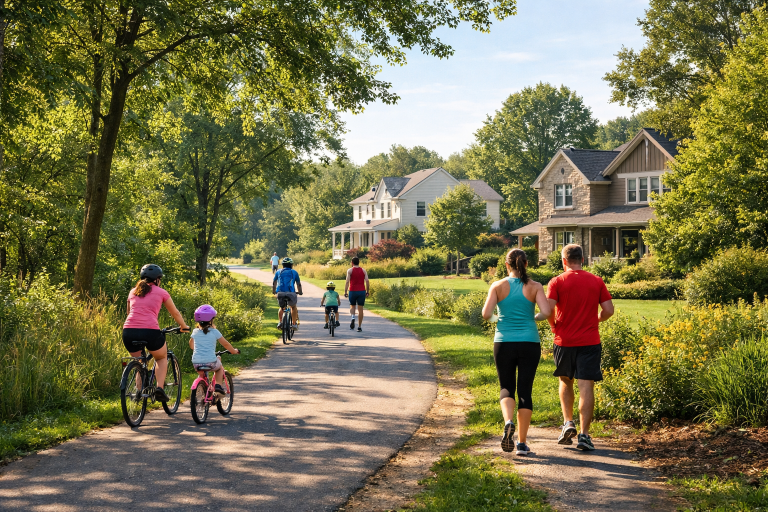
Living in suburban neighborhoods with access to nature trails offers more than just scenic beauty. These communities offer residents a unique quality of life that combines convenience, health, and environmental benefits. For those considering a move, exploring Wesley Chapel new home communities can offer excellent opportunities to enjoy the perks of trail-side living close to urban amenities.
Whether you enjoy early morning jogs, family bike rides, or peaceful strolls, the proximity to well-maintained trails delivers significant contributions to wellbeing. These green corridors serve as everyday escapes from suburban hustle, fostering greater attachment to the local environment and encouraging an active lifestyle. Communities that embrace these features exhibit not only stronger physical health, but also richer social connections and higher property values.
Nature trails in suburban locations are much more than recreational amenities. They reinforce community spirit, create economic opportunities, and play an important role in supporting environmental sustainability. As more homebuyers seek these advantages, the draw to neighborhoods with ready trail access continues to grow. Residents who prioritize outdoor experiences and long-term home value are discovering that these green spaces offer rewards far beyond the simple pleasure of a walk in the park. From robust health benefits to enhanced neighborhood identity, the multifaceted advantages of living near nature trails are clear.
Physical Health Benefits
Suburban areas with direct access to trails make it much easier for people to integrate regular exercise into their lifestyles. Walking, jogging, and cycling on safe, dedicated paths significantly reduce barriers to physical activity. The U.S. Centers for Disease Control and Prevention (CDC) recognizes that people living near accessible recreational spaces are more likely to achieve the recommended 150 minutes of moderate physical activity each week, which helps lower rates of chronic conditions such as heart disease, diabetes, and obesity.
Mental Well-Being
Frequent exposure to nature supports not only physical health but also psychological wellness. Time spent on trails has been shown to ease symptoms of stress, anxiety, and depression. According to the American Psychological Association, being in green spaces can restore attention, boost mood, and enhance overall happiness. Suburban communities with nature trails allow residents to step away from daily stresses quickly, facilitating mindfulness and encouraging time for self-reflection or social connection in an inspiring, low-pressure environment. In addition, regular access to parks and outdoor paths can encourage more active lifestyles, such as walking, jogging, or cycling, which further improves overall well-being. These environments also promote stronger community interaction, as residents are more likely to engage in outdoor activities together. Over time, this combination of physical activity and natural surroundings contributes to a healthier, more balanced, and fulfilling lifestyle.
Economic Advantages
Nature trails are powerful engines of local economic activity. They draw visitors from surrounding regions, boosting revenue for small businesses, restaurants, and local shops. According to a New York Times article, increased trail use in recent years has sparked renewed investment and job creation in communities that maintain and promote their trail systems. Trails also enhance the area’s appeal to tourists, benefiting hotels and supporting new business growth centered around recreation and wellness.
Environmental Impact
Preserving land for trails not only improves local quality of life but also supports environmental sustainability. Trails function as wildlife corridors, help conserve native habitats, and contribute to biodiversity. They often play a vital role in local water management by preventing erosion and improving stormwater absorption. The scientific community has documented the crucial ecosystem services provided by well-maintained greenways, making them valuable tools in urban and suburban planning.
Community Engagement
Green spaces provide common ground where neighbors can meet, mingle, and organize events. Trails serve as venues for local festivals, charity runs, group hikes, and family outings. These interactions build mutual trust and foster a stronger sense of belonging among residents. The Rails-to-Trails Conservancy highlights the importance of trail networks in fostering social harmony by offering a welcoming space for diverse groups to connect through shared interests and activities.
Property Value Increase
Homes located near well-designed trails often see higher resale values than comparable properties elsewhere. Access to recreational amenities is consistently ranked among buyers’ top priorities during the home search. A study by the National Association of Realtors found that proximity to trails and parks can lead to a price premium for residential real estate. Buyers see this access as an enhancement of their lifestyle, which translates into real economic value over time. In addition, these locations tend to attract long-term residents, contributing to neighborhood stability and sustained demand. As a result, homes near green spaces often perform better in the market even during slower real estate cycles.
Accessibility and Inclusivity
Modern suburban trails are usually developed with accessibility in mind. They accommodate people with mobility aids, families with strollers, and users of all ability levels. Offering free or low-cost recreational options helps break down barriers to health and participation, ensuring that everyone in the community can benefit. These efforts help create environments where residents of different ages, backgrounds, and physical capabilities feel equally welcome and supported. In addition, inclusive design promotes stronger community engagement by encouraging more frequent use of shared outdoor spaces. Over time, this fosters a sense of belonging and unity among residents, making neighborhoods more connected and socially resilient.
Conclusion
Living near nature trails offers a range of practical and lifestyle benefits for suburban residents. With impacts ranging from better physical and mental health to stronger neighborhoods and increased property values, trails are much more than scenic features. Suburban communities that prioritize trail access enhance both individual wellbeing and collective prosperity, setting the stage for vibrant, healthy, and resilient living now and in the future. These benefits also encourage more sustainable living habits, as residents are more likely to walk or cycle rather than rely on vehicles for short trips. Over time, this contributes to reduced traffic congestion and lower environmental impact within the community.
Leave a Reply